

Human Library: Breaking down prejudices with human books
Borrowing people instead of books? In times of social polarisation, new ways of promoting exchange, mutual understanding and cohesion are needed. Libraries can expand their services and make a valuable contribution to society here. The Human Library is an interesting format for bringing people together in conversation.
by Birgit Fingerle
In a Human Library, people can be borrowed as “living books”. This enables encounters that would not otherwise take place, breaks down prejudices and promotes understanding. The concept of the Human Library originated in Copenhagen in 2000 and has since spread worldwide. It is both a globally active organisation and a movement.
What is a Human Library?
The basic idea is simple: people with special life experiences, who, for example, as members of minorities are often the target of prejudice or discrimination, make themselves available as “living books”. Interested parties can “borrow” these ‘books’ for a personal conversation for up to 30 minutes. All conversations are free of charge. Often, the organiser pays for travel expenses and provides snacks, but all participants in the Human Library are unpaid volunteers.
The result is open and respectful encounters. This promotes interpersonal exchange (German language), which is often neglected, partly because there are few opportunities for it in public spaces. Human Libraries also support the Sustainable Development Goals (SDGs) within the framework of the United Nations’ 2030 Agenda for Sustainable Development .
Human Libraries usually take place as events. However, there are also some examples of permanent Human Libraries and Human Libraries in the form of online formats. In addition, an app is in preparation as a digital learning platform.
Human Libraries in Libraries and Universities
For libraries, offering a Human Library provides an opportunity to expand their function as a place of encounter and learning beyond traditional events or exhibitions. Human Libraries could reach new target groups and lead to new or stronger collaborations with local organisations, initiatives and communities.
Various libraries in Germany already run Human Libraries, for example:
- Lebendige Bibliothek (Berlin, German Language)
- Die Human Library in Hamburg (NDR, German Language)
In a university context, for example, the International Centre at the European University of Flensburg has already organised a Human Library.
Mutual understanding within library teams and towards users can also benefit from the Human Library concept. Intercultural competence and sensitivity to diversity issues can be promoted, personal prejudices reflected upon and a more inclusive approach to users developed.
Tips for hosting a Human Library
Organising a Human Library requires careful preparation. Libraries need to recruit suitable “living books” who are willing to share their stories. At the same time, it is important to create an environment that is safe and respectful for both the “books” and the “readers”. Clear rules for discussion and trained moderators are essential.
When running Human Libraries, it is therefore important to ensure that participants are treated well. They are trained (German language) to set boundaries, counter disrespectful questions, and withdraw if things become too much. Trained “librarians” talk to “readers” and “books” and intervene in the event of disrespectful behaviour.
Specific tips for running a Human Library can be found here:
- How to Host a Human Library
- The Human Library: 6 tips for a successful setup!
- Human Living Library Toolkit
Libraries as social bridge builders
The example of the Human Library shows that libraries can also fulfil their social responsibility by creating spaces where encounters are possible and understanding grows.
In the future, it is imaginable that Human Libraries will develop into permanent offerings that take place regularly and focus on different topics. Linking them to other library offerings – from media workshops to discussion events – could also be useful.
This might also interest you:
- Human Library
- Tagesschau: Ein “menschliches Buch” ausleihen (German language)
- NDR: “Die Human Library in Hamburg” (German language)
- Promptathons: Potential for Libraries – and for Open Science?
- Libraries and Online Events, Part 1: How to Plan a Successful Event
- Libraries and Online Events, Part 2: How to Conduct Successful Conferences and Meetings
- Libraries and Online Events, Part 3: How Online Workshops Encourage New Ideas and Collaboration
- Rethinking Events Digitally: a ZBW Guide for Successful Online Events
Birgit Fingerle holds a diploma in economics and business administration and works at ZBW, among others, in the fields innovation management, open innovation, open science and currently in particular with the “Open Economics Guide”. Birgit Fingerle can also be found on LinkedIn.
Portrait, photographer: Northerncards©


User Experience in Libraries: Insights from the Digital Finna Services at the National Library of Finland

Working Out Loud: How to Support the Learning Library

Rethinking Events Digitally: a ZBW Guide for Successful Online Events
View Comments
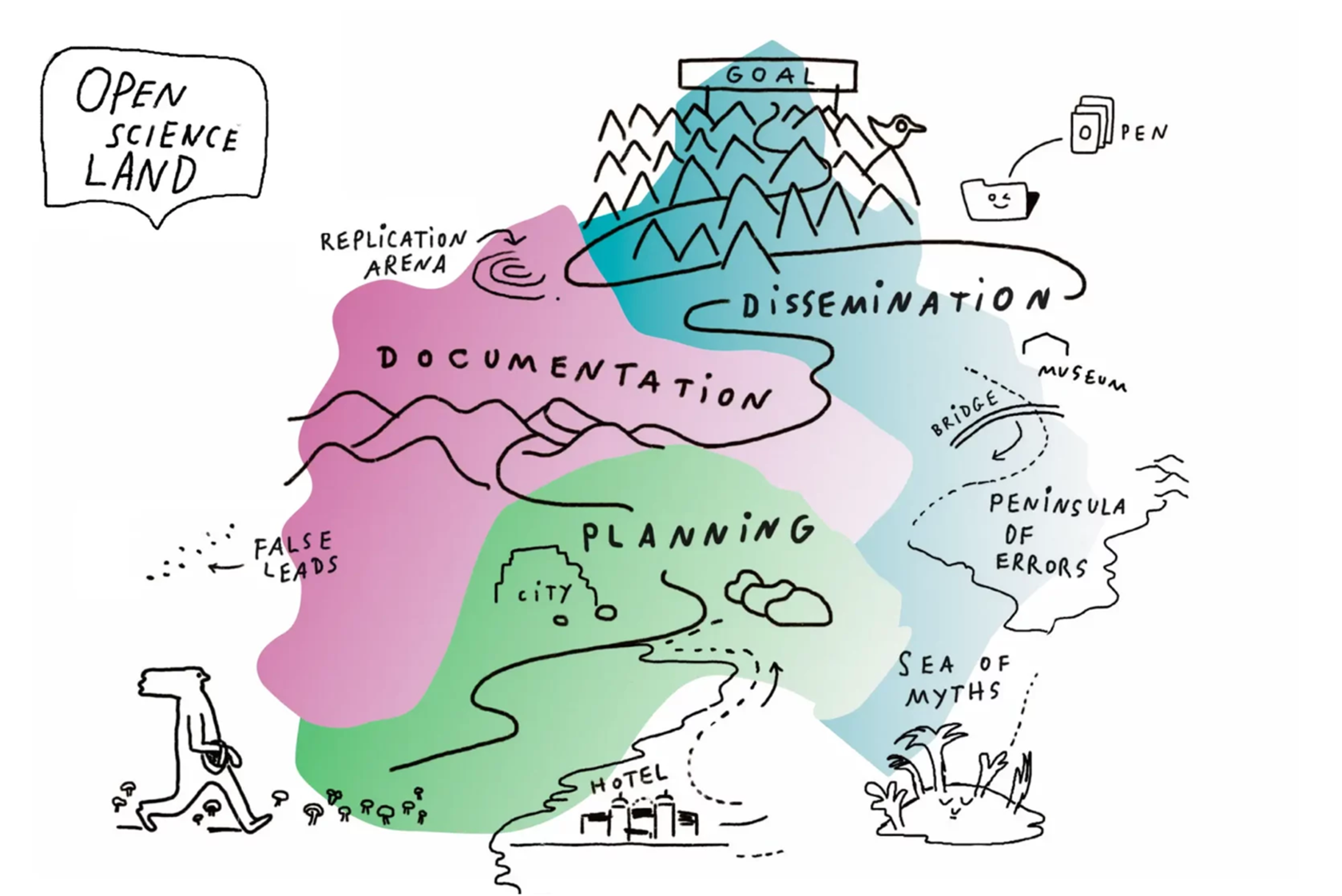
Expedition Open Science Land: A Travel Guide for Business Researchers
by Birgit Fingerle (ZBW) In January 2026, the publication “Expedition Open...